
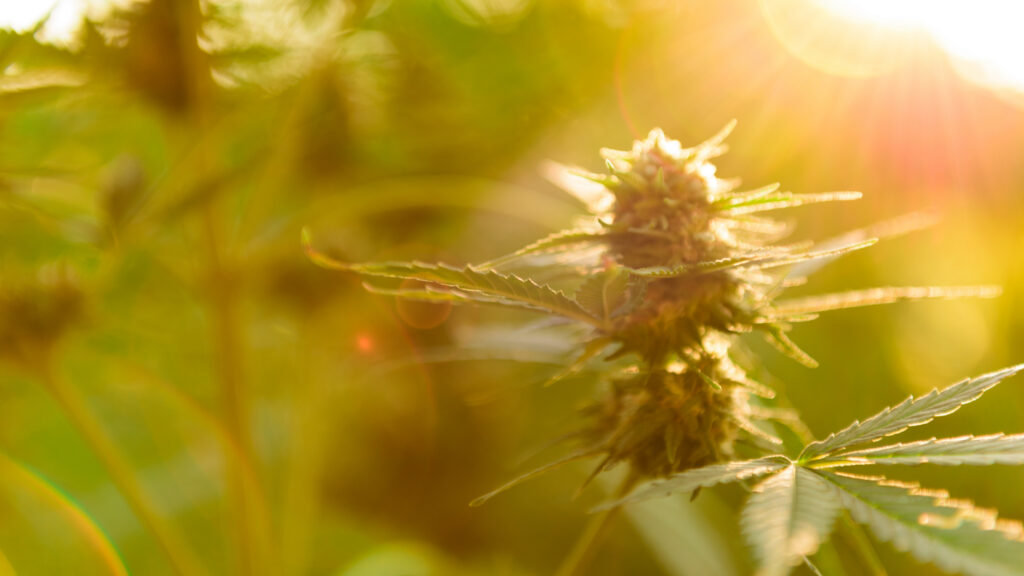
Quick Summary: Cannabis terroir is how soil, climate, sunlight, and farming practices shape a plant’s terpenes, cannabinoids, and flavor. Early research suggests sun-grown cannabis can develop a more varied terpene profile than genetically identical indoor-grown plants, which is why where and how flower is grown matters alongside the strain itself
Why Can Cannabis From the Same Genetics Taste Different?
When it comes to developing a distinct character for cannabis, particularly a sense of connection to where it was grown, genetics are only a part of the story. Two plants can come from the same batch of seeds, but if they’re grown under different conditions in separate locations, those factors will create two noticeably different products. The soil, the sunlight, and the seasons a plant lives through leave a mark.
Wine growers have a word for that influence: terroir. The same idea is why we care so much about where and how our farm partners grow our flower.
Key Takeaways
- Terroir is the combination of soil, climate, sunlight, elevation, and farming practices that all shape how a plant develops.
- In a 2023 study, researchers compared genetically identical cannabis grown outdoors and indoors and observed noticeably different terpene and cannabinoid profiles.
- Researchers think terpenes help protect the plant, so a more varied environment may prompt the plant to produce more of them.
- Sun-grown cultivation supports the small farms and regenerative practices we believe are worth protecting.

What Is Cannabis Terroir?
The term terroir originated to explain why wines from different places taste different. The official definition from the International Organisation of Vine and Wine covers soil, topography, climate, landscape, and biodiversity. Researchers point out that a farmer’s choices also play a role.
For cannabis, the same logic applies. The soil a plant roots in, the sunlight it receives, and how a farm is managed all shape the finished flower. Researchers have noted that temperature, humidity, soil bacteria, mineral nutrition, and light all affect a cannabis plant’s chemistry.
Those factors don’t change a plant’s genetics, but they can change which compounds it produces and in what amounts.
How Does Growing Environment Affect Cannabis Terpenes?
Terpenes are the aromatic compounds behind a strain’s smell and flavor. Researchers, including the authors of a 2023 Columbia University study, describe a role for terpenes in defending against pests, fungi, and bacteria. Penn State researchers add that the exact role of these compounds is still unclear, with plant defense as the leading hypothesis and stressors such as UV light as another possible trigger. Under that hypothesis, a plant in a controlled indoor room faces fewer challenges than one grown outdoors.
The Columbia study tested how much growing conditions change a plant’s chemistry. It compared two commercial cultivars, Red Velvet and Cheetah Piss, each starting from clones of the same parent. One cultivator grew clones outdoors in raised beds of natural soil and compost under full sunlight. Another grew clones indoors under artificial light in a proprietary growth medium.
When they compared the indoor and outdoor plants, researchers found noticeable differences.
What the Columbia Study Found
The outdoor samples showed a greater variety of terpenes and higher amounts of many of them, especially sesquiterpenes such as beta-caryophyllene and alpha-humulene. They also contained more unusual cannabinoids, while the indoor samples contained more oxidized and degraded cannabinoids. The outdoor flower was stickier and more pungent, though its shape and color were similar to the indoor flower. One terpene that appeared in greater amounts outdoors, alpha-guaiene, is a precursor to an aroma compound reported in some wines.
The study has limits. Researchers used only three samples per group, and different commercial growers grew the indoor and outdoor plants, so they can’t isolate sunlight as the only cause. The results show that growing conditions can change a plant’s chemistry, and they leave open how much each factor contributes.
Does Soil Health Affect Cannabis?
Research suggests healthy soil practices matter, too. In a 2025 study, researchers grew two hemp cultivars in neighboring fields, one no-till with cover crops and one conventionally tilled. The researchers found that total cannabinoid content didn’t differ, but CBG levels were higher in the cover-crop field, and the two cultivars’ terpene profiles differed less from each other there.
Research on cannabis terroir is still early, and researchers are calling for larger studies.
Sun-Grown vs. Indoor Cannabis: What’s the Difference?
The main difference is control versus variety. Indoor growing gives growers a predictable environment, while sun-grown plants respond to natural conditions that can shape a more varied chemical profile.
- Indoor cultivation offers consistency. Growers control light, temperature, and humidity, which makes each harvest more predictable.
- Indoor growing uses a lot of energy. Researchers note it’s energy-intensive, mainly because of air conditioning, artificial lighting, heating, and ventilation.
- Outdoor plants face a changing environment. Sun-grown cannabis deals with shifting light, humidity, wind, and soil life throughout the season.
- That variety may influence plant chemistry. The Columbia study authors suggest outdoor plants may express more of their biochemical pathways as a result.
- Sun-grown flower reflects a sense of place. For shoppers, each harvest carries the character of its season and the farm it comes from.
Overall, indoor growing delivers consistency, while sun-grown flower offers a sense of place you can taste: that’s terroir.
Why Solful Sources From Sun-Grown, Regenerative Farms
Terroir is a big part of why Solful works directly with sun-grown, regenerative farms. The place a plant grows, the health of its soil, its exposure to the sun, and the farming practices behind it all shape what ends up in the jar. Every farm we partner with has its own terroir, which is part of what makes their flower worth seeking out by name, not just by strain.
Sourcing sun-grown flower also supports small farms and helps keep that kind of farming viable.
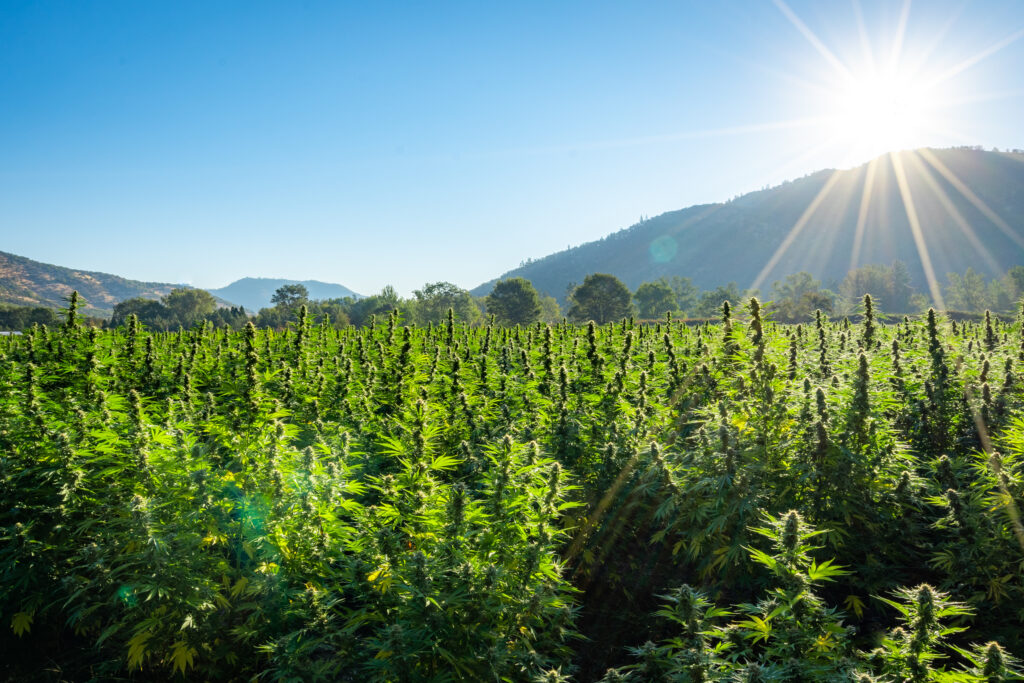
Cannabis Terroir FAQs
What is terroir in cannabis?
Terroir is the combination of soil, climate, sunlight, elevation, and farming practices that shapes how a cannabis plant develops. These factors don’t change a plant’s genetics, but they can affect which compounds it produces and in what amounts.
Does sun-grown cannabis have more terpenes than indoor cannabis?
It can. In a 2023 Columbia University study, outdoor-grown plants showed a greater variety of terpenes and higher amounts of many of them than genetically identical indoor plants. The study was small, though, and researchers call for larger studies.
Can the same strain taste different depending on where it is grown?
Yes. Two plants from the same genetics can develop noticeably different aromas and flavors when cultivators grow them in different locations. Soil, sunlight, and climate all influence their terpene profiles.
Is indoor cannabis lower quality than sun-grown?
Not necessarily. Indoor cultivation offers consistent, predictable harvests, while sun-grown flower tends to reflect the farm and season it came from. The right choice depends on what you’re looking for.
Shop Sun-Grown Cannabis in Sonoma County and San Francisco
At Solful, our team is always happy to talk through what makes each farm’s terroir distinct and help you find a jar that fits what you’re looking for.
Visit Solful at one of our Sonoma County or San Francisco locations, or shop online, to explore sun-grown flower from our farm partners.
Follow Solful on Instagram.
DISCLAIMER: The contents of this blog are intended for informational purposes only. Always seek the advice of a physician or other qualified healthcare provider with any questions you may have regarding a medical condition.

